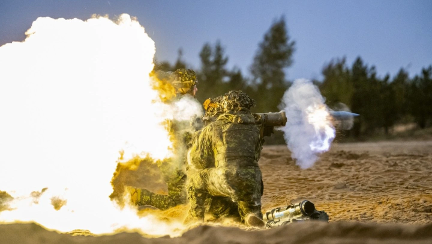
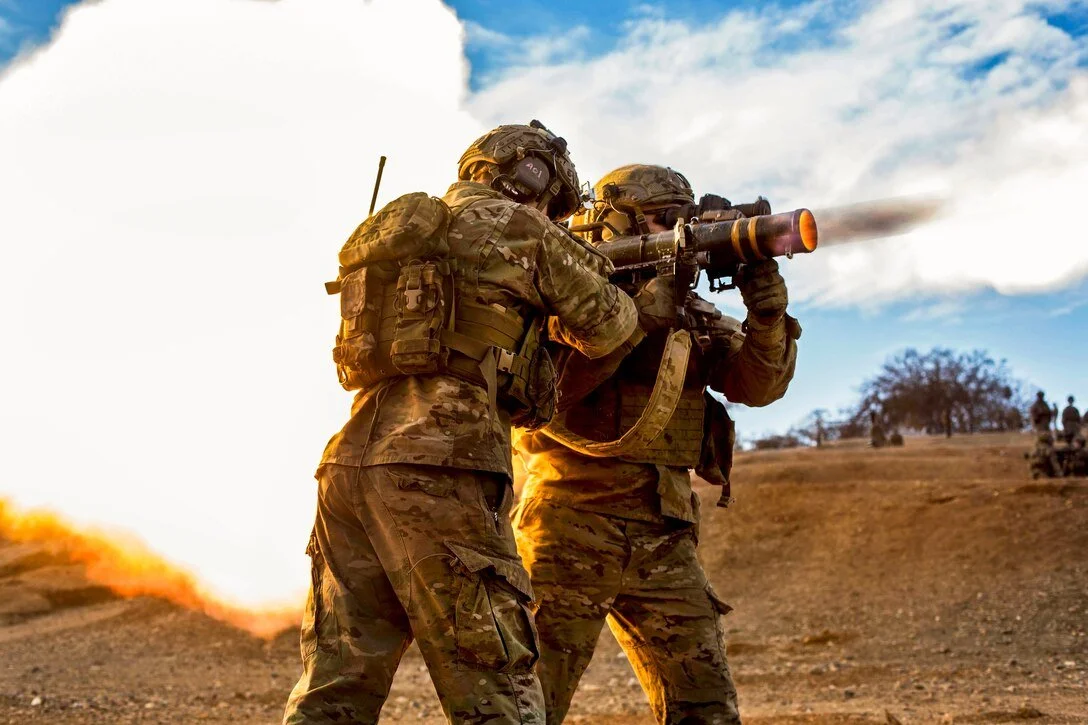
Blast Overpressure Mitigation for Military Training Environments
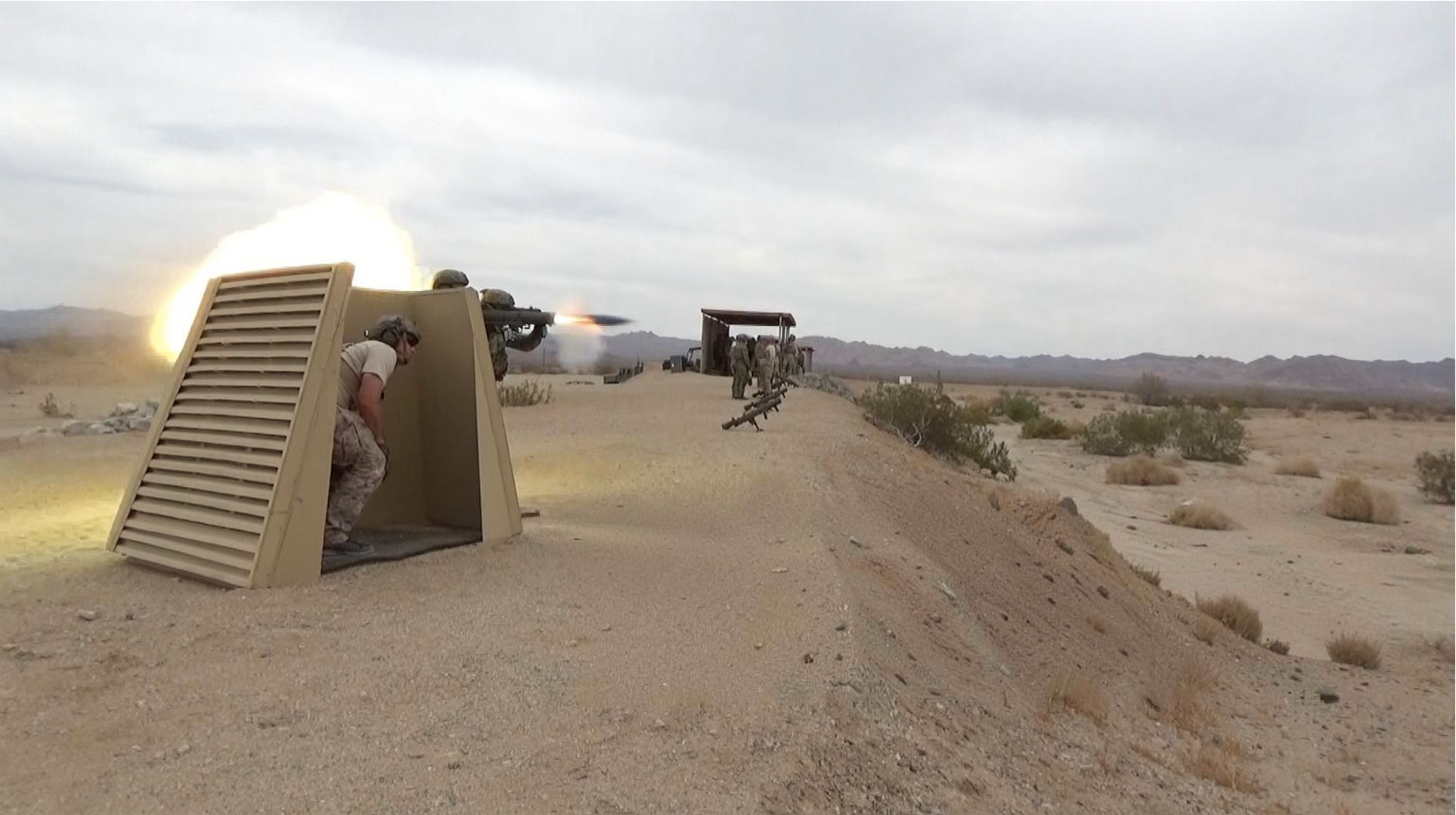
EBSS develops engineering-control systems that mitigate BOP exposure during military training — without reducing realism, cadence, or readiness.
Protect | Preserve | Execute
SDVOSB I U.S.-Based & Manufactured
View EBSS Systems
Range • Close Quarters / Urban Training Environments • Explosive Breaching • MOUT / SOUC • Other High-BOP Training Environments
Built for
Designed to Protect
RSOs • Instructors • Gunners • Assistant Gunners • Breachers • Assault Teams • Training Cadre • Nearby Training Personnel
Veteran-Founded. Mission-Driven. Built from Training Experience.
EBSS was founded by Michael Eaves, a retired U.S. Navy SEAL Chief Petty Officer with direct experience as an RSO in high-blast-overpressure training environments.
Mike experienced the problem firsthand: the personnel responsible for safety, instruction, and readiness are often most exposed to repeated blast events. EBSS was built to reduce that exposure with practical engineering controls that preserve realistic training.
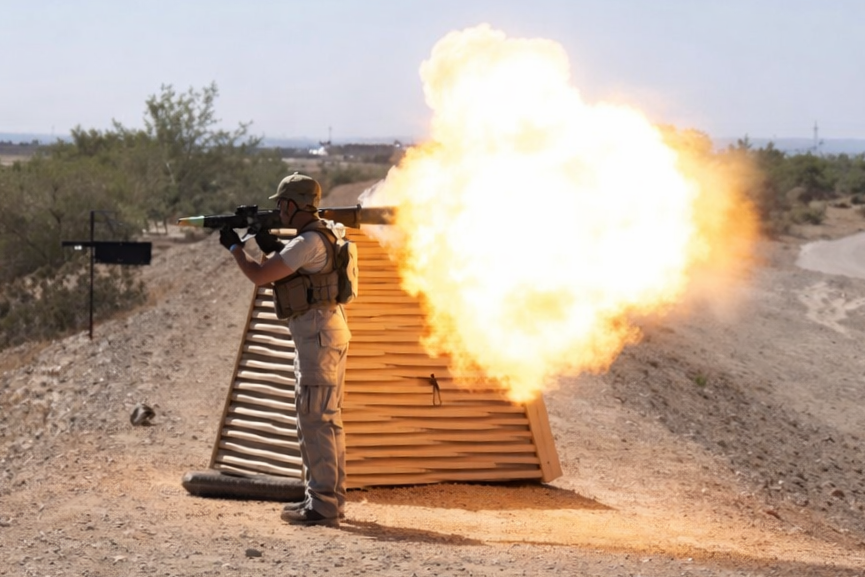

Protect the Troops Closest to the Blast
Military training requires proximity. RSOs, instructors, assistant gunners, breachers, assault teams, training cadre, and nearby personnel can absorb repeated blast-overpressure exposure across training days, courses, and careers.
The exposure burden does not stop with the shooter or breacher. It often falls on the personnel responsible for observing, correcting, controlling safety, and keeping training realistic.
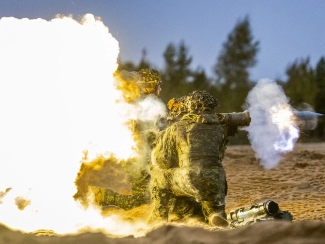
Repeated Exposure
High-BOP training exposure accumulates across training days, courses, evolutions, and careers.
High-Dose Roles
RSOs, instructors, breachers, assistant gunners, and training cadre can carry repeated exposure across many training events.
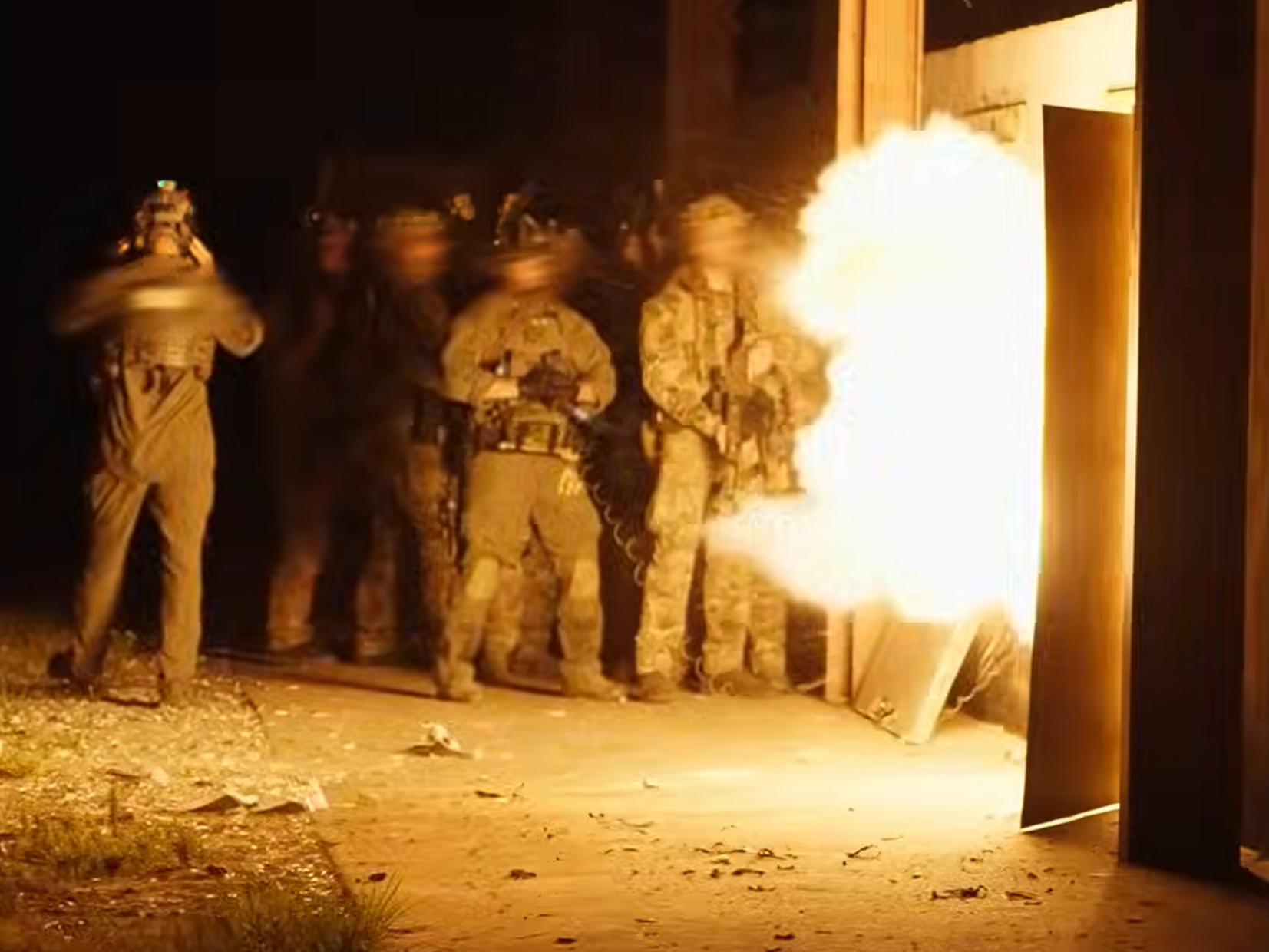
Training Environments
Ranges, CQB, explosive breaching, MOUT/SOUC, and confined-space training create repeated BOP exposure conditions.
Readiness Impact
Personnel exposed to repeated BOP have reported symptoms such as headache, fatigue, ringing ears, sleep disruption, and cognitive disruption.
Why Now: BOP Risk Management Is a Readiness Requirement
DoD has elevated blast overpressure from an under-managed training hazard to a formal brain-health, readiness, and risk-management concern. Current DoD requirements include BOP education, risk-management actions, exposure documentation, standoff-distance guidance, and medical evaluation pathways for reported symptoms.
DoD’s current interim BOP exposure safety guideline uses 4 psi as a threshold requiring appropriate risk-management actions.
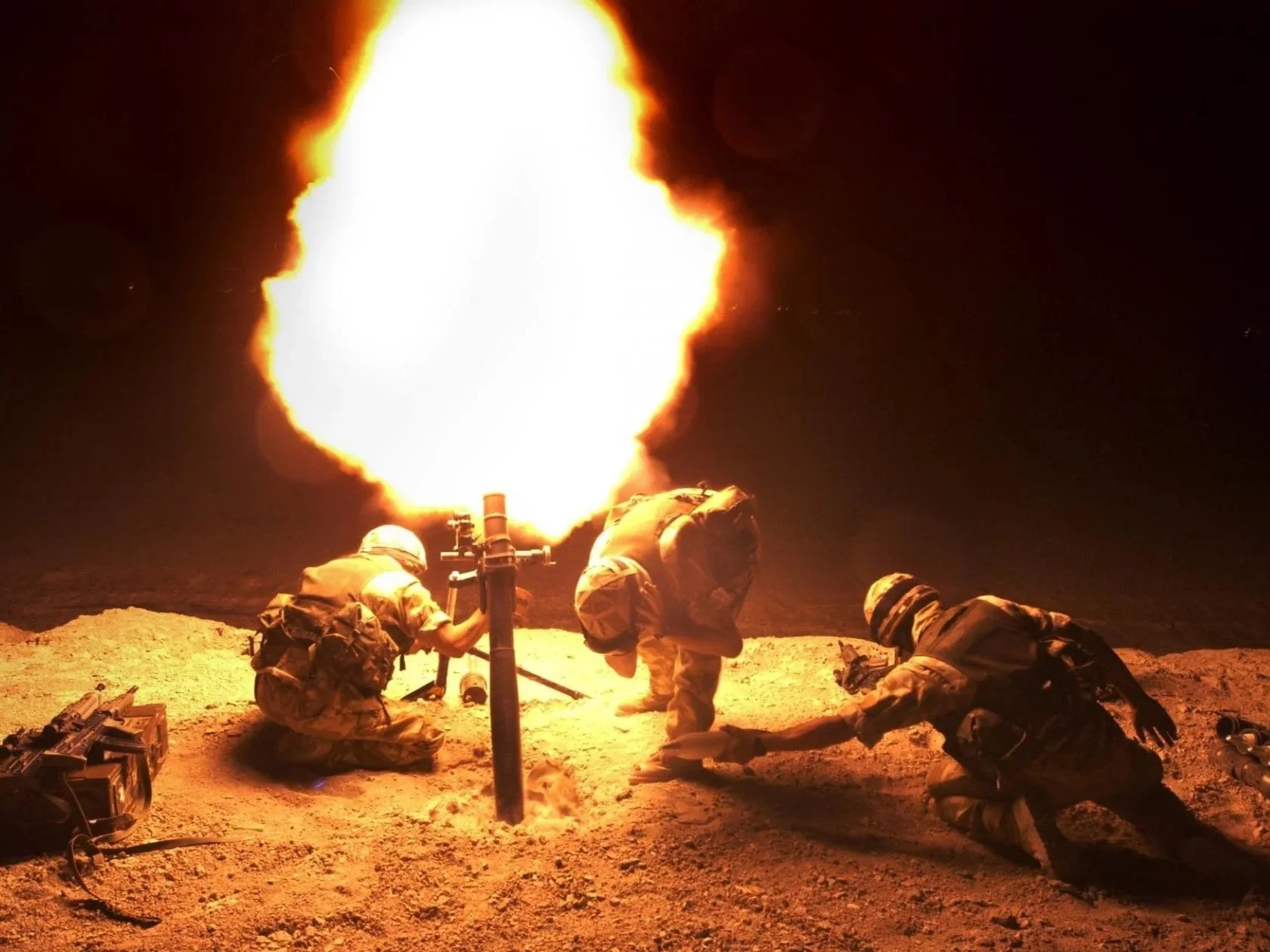
The policy direction is clear: reduce avoidable BOP exposure while preserving mission-required training.
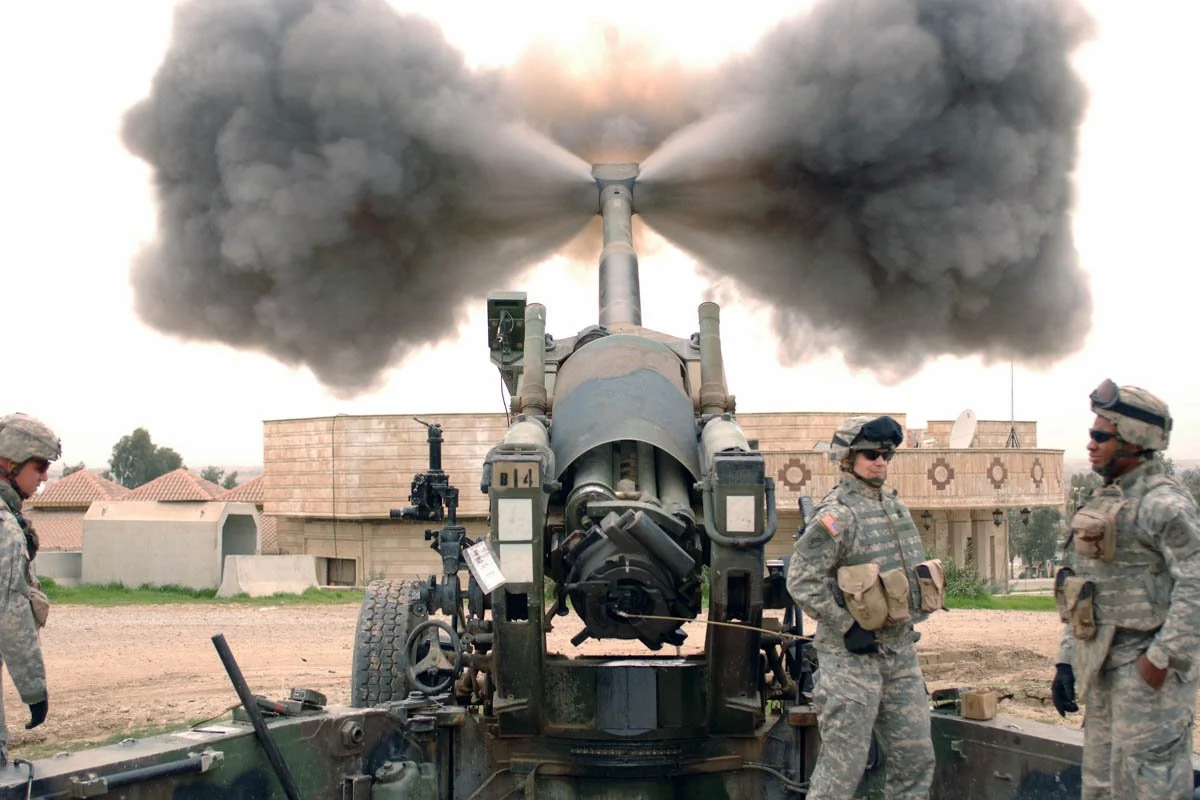
Preserve Training with Engineering Controls
ALARA principles, standoff distance, exposure tracking, PPE, and personnel rotation are important. EBSS does not replace them.
On ranges, RSOs and instructors may need to remain close enough to control and correct training. In close-quarter and urban training facilities, essential personnel may remain near breach points and entry paths while facility geometry shapes reflected pressure.
EBSS adds a physical engineering-control layer designed to reduce avoidable exposure where distance and administrative controls are constrained — helping units preserve realistic weapons employment, range throughput, and mission readiness.
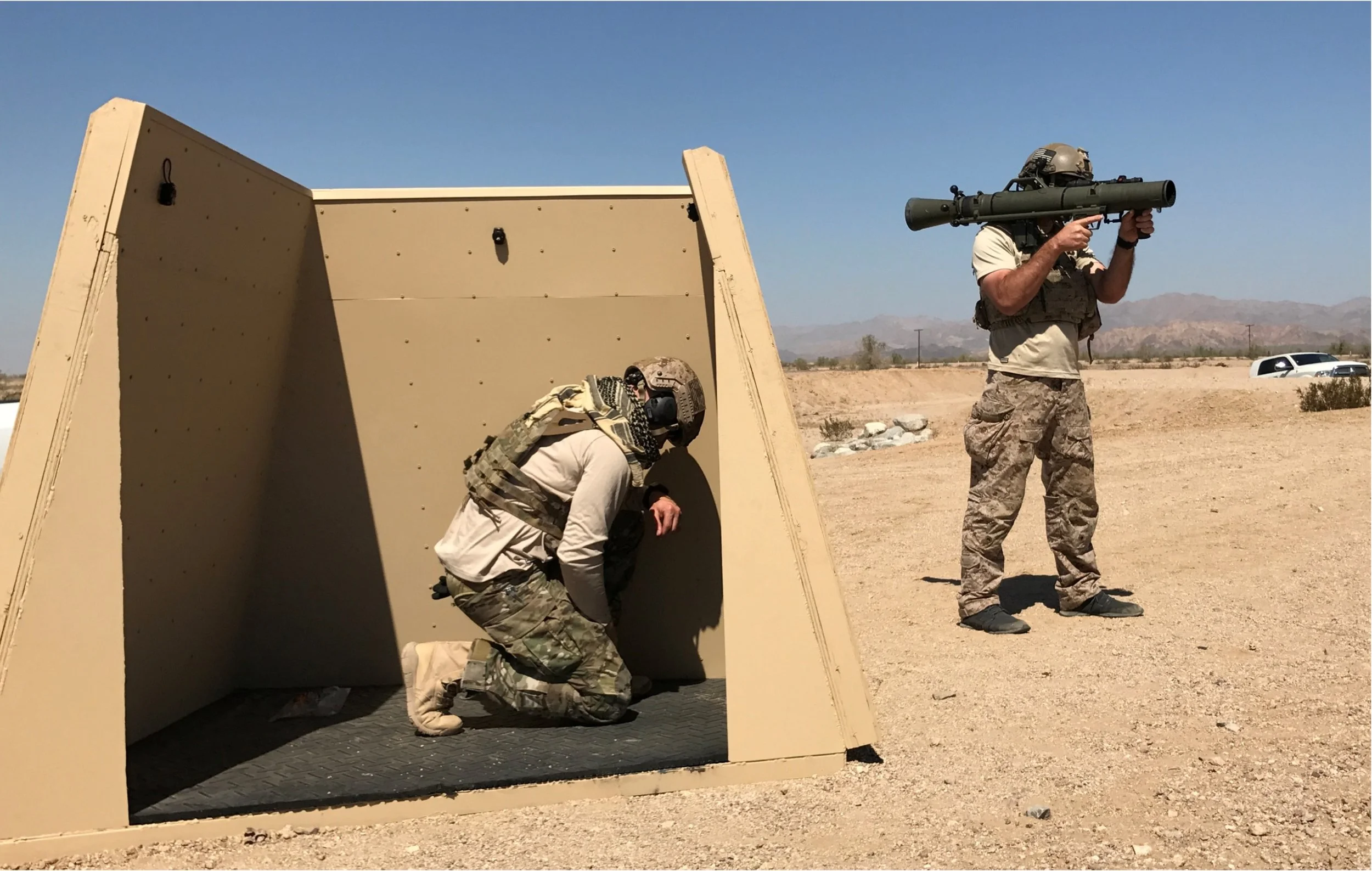
Engineering controls strengthen training by reducing exposure without reducing realism.
TWO Systems. One Mission:
Reduce BOP Risk Without Softening Training.
BORS
Blast Overpressure Range System
For high-BOP weapons training ranges
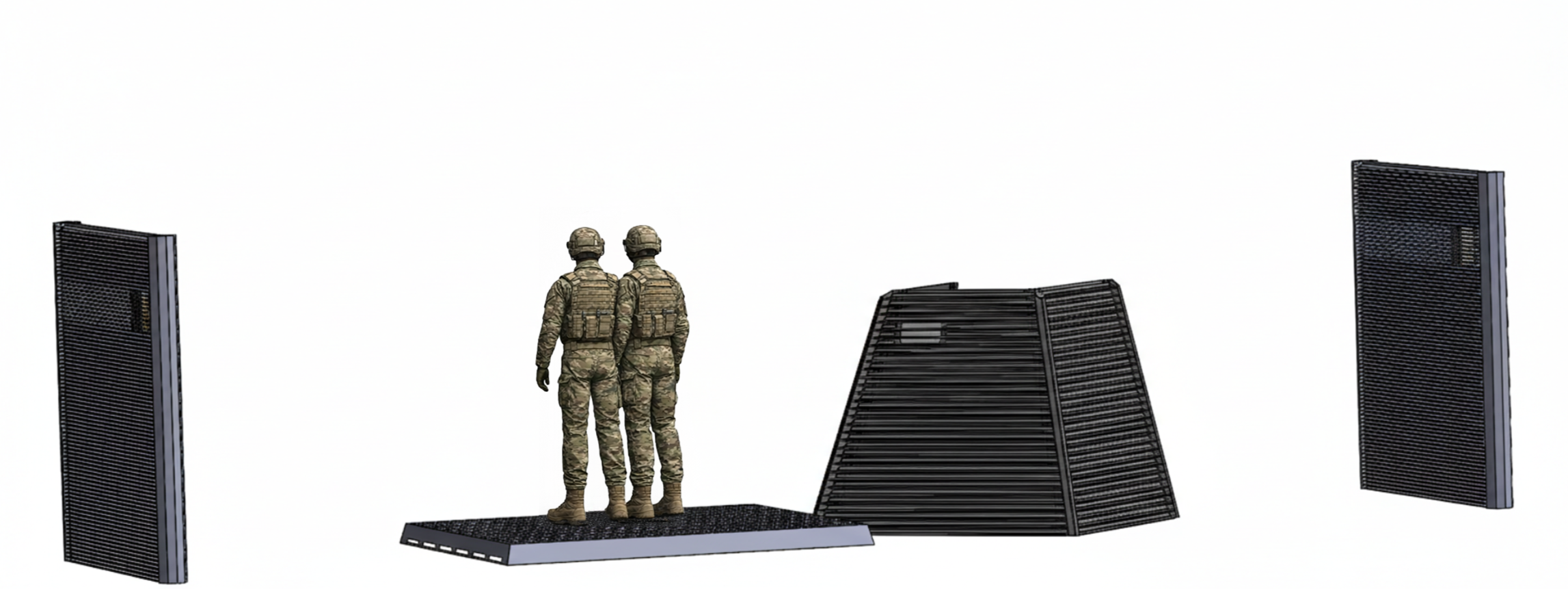
BORS is EBSS’s range-based system for high-BOP weapons training. It is designed to support physical BOP mitigation, repeatable personnel positioning, and consistent range-lane configuration.
C-BOS
Close-Quarters Blast Overpressure System
For close-quarters and urban training environments
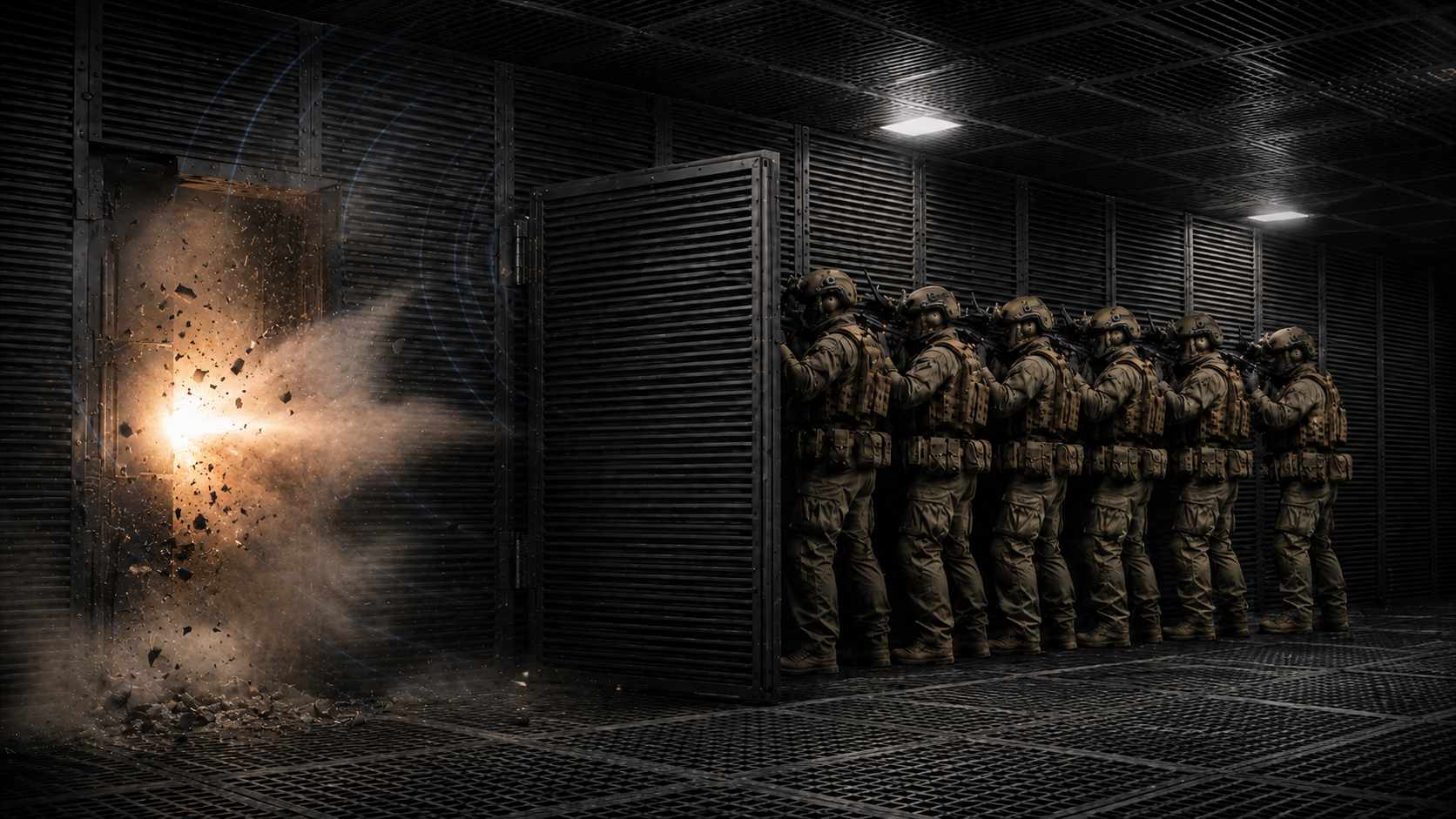
C-BOS is EBSS’s system for close-quarters and urban training environments where blast waves can reflect from hard surfaces and create complex exposure pathways.
Live-Fire Informed. Operationally Grounded.
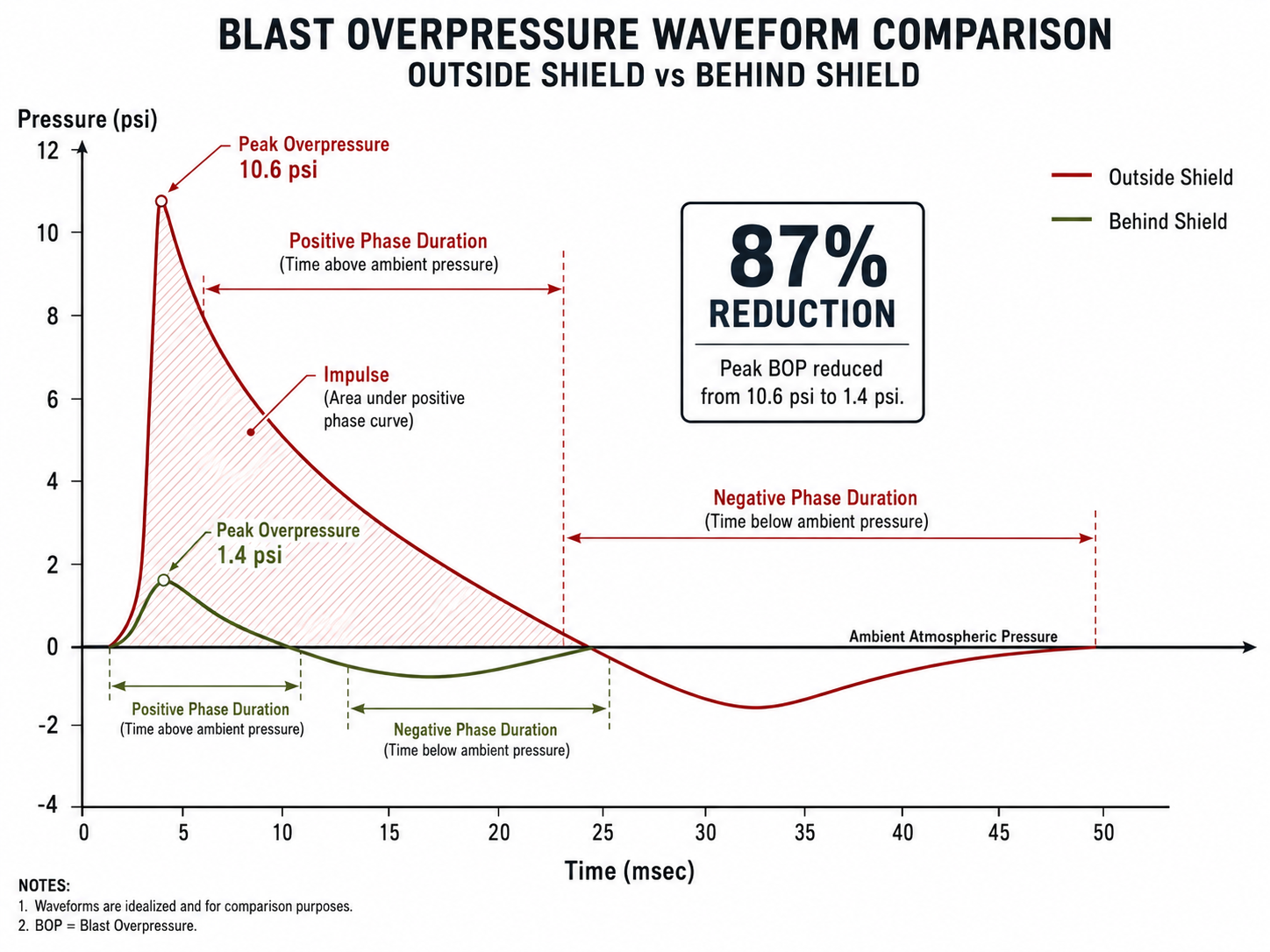
During NSW Carl Gustav live-fire testing, EBSS BORS reduced measured peak overpressure from 10.2 psi outside the shield to 1.4 psi behind the shield — an 87% reduction in that test configuration.
Full test context and considerations are available during qualified stakeholder briefings.
87%
Reduction in average peak BOP from 10.2 psi to 1.4 psi.
Execute the Mission
Ready to Discuss Blast-Overpressure Mitigation? EBSS supports military stakeholders from initial capability briefings through range or facility assessment, pilot planning, live-fire evaluation support, data review, and procurement-pathway discussion.
Request a Brief
For leadership, requirements teams, medical stakeholders, training commands, and procurement partners seeking a concise overview of EBSS capabilities and live-fire results.
Pilot a BORS Lane
For ranges, units, and program stakeholders interested in evaluating EBSS solutions in a relevant training environment.
Request a C-BOS Pilot Discussion
For close-quarter and urban training facilities evaluating reflected BOP mitigation in breaching, CQB/CQC, shoot-house, MOUT/SOUC, and confined-space training.
“EBSS helps military leaders predictably reduce blast-overpressure exposure through practical engineering controls built for high-BOP training environments.“
Request a Blast Overpressure Mitigation Brief
EBSS provides concise capability briefings for range leadership, training commands, safety personnel, requirements shops, program offices, acquisition stakeholders, and mission owners evaluating blast overpressure mitigation options.
Briefing Topics
Operational BOP exposure problem
BORS and C-BOS system overview
Live-fire and testing context
Pilot lane, pilot room, and implementation pathways
Requirements-support and fielding considerations
BOP Insights